Health and Safety Policy for Cleaners Ruislip
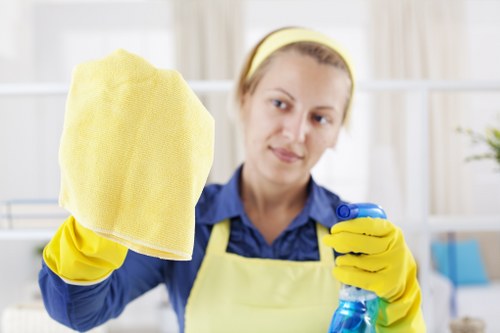 This Health and Safety Policy sets out the standards, responsibilities, and working practices expected from all staff involved in cleaning services in Ruislip. The purpose of this policy is to protect cleaners, clients, visitors, and anyone else who may be affected by cleaning activities. It applies to all routine, deep, and specialist cleaning tasks, whether carried out in homes, offices, communal areas, or commercial premises. Our approach is based on prevention, clear communication, and safe working methods.
The company is committed to maintaining a safe working environment and to reducing the risk of injury, illness, and property damage. We recognise that cleaning work can involve wet floors, lifting equipment, exposure to chemicals, repetitive movement, and work in occupied spaces. For that reason, all cleaners Ruislip must follow this policy, use equipment correctly, and report any unsafe condition without delay. Safety is considered part of service quality and must never be treated as optional.
Managers and supervisors are responsible for ensuring that risk assessments are completed where needed, that staff receive appropriate instruction, and that equipment and supplies are suitable for the tasks assigned. Every cleaner has a duty to work carefully, co-operate with health and safety procedures, and protect the wellbeing of others. This policy is written to be practical, clear, and easy to apply in day-to-day cleaning operations.
Risk Assessment and Safe Planning Before any cleaning task begins, hazards must be identified and assessed. This includes checking for slippery surfaces, broken glass, unstable furniture, electrical risks, sharp objects, and any area where access is restricted. If a task involves chemicals, machinery, or work at height, extra precautions must be taken. A safe system of work should be followed for every job, especially where the environment is unfamiliar or shared with other occupants. Where necessary, work should be paused until the risk is controlled.
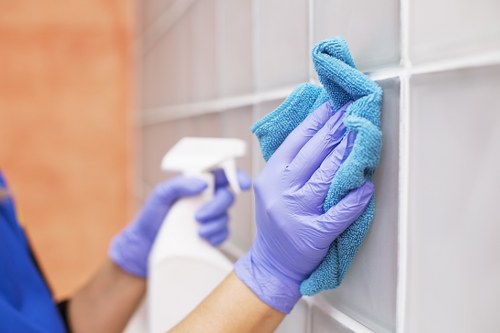
Cleaners must wear suitable personal protective equipment, or PPE, when the task requires it. This may include gloves, aprons, eye protection, or non-slip footwear. PPE must be kept clean, stored correctly, and replaced when damaged. Health and safety for cleaners in Ruislip depends on using the right equipment for the job and understanding when additional protection is needed. Loose clothing, jewellery, and anything that could become caught in equipment should be avoided while working.
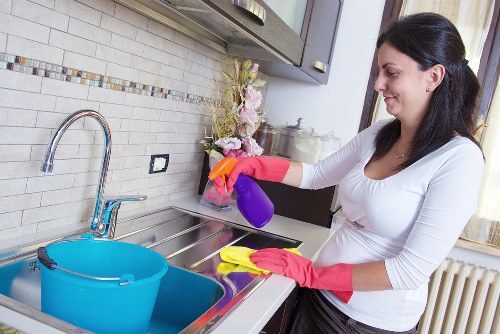 Chemical safety is essential in all cleaning activities. Products must be used only as directed and never mixed unless the instructions clearly allow it. Labels should be read before use, and containers must never be reused for different substances without proper relabelling. Where possible, less hazardous alternatives should be chosen. Ventilation should be maintained during product use, and staff must wash hands after handling chemicals. Any spill, splash, or exposure incident must be reported immediately and dealt with according to procedure.
Training, Equipment, and Manual Handling All cleaners must receive suitable training before carrying out work independently. Training should cover safe use of chemicals, correct lifting techniques, emergency actions, accident reporting, and the use of equipment. Refresher training should be provided when procedures change or when a risk is identified. Cleaner health and safety is supported when everyone understands the correct methods and knows how to respond when something goes wrong.
Cleaning equipment must be inspected before use and maintained in good condition. Faulty machines, damaged cables, broken handles, or worn-out accessories must not be used. Only authorised staff should operate specialist equipment. Where electrical devices are used, they should be checked regularly and kept away from water unless designed for wet environments. Cables must be positioned safely to reduce trip hazards, and equipment should be switched off before cleaning or moving it.
Manual handling is another important area of control. Staff should assess the weight, shape, and stability of any item before lifting, carrying, or moving it. Trolleys, carts, or other aids should be used where practical. Heavy loads should be broken down into smaller amounts whenever possible. Good posture, controlled movement, and team lifting can reduce strain and prevent injury. If a cleaner feels unable to move an item safely, they must stop and seek assistance.
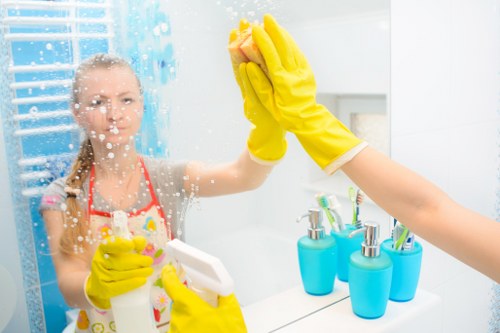 Working in Occupied Premises When cleaning takes place in occupied homes, workplaces, or shared buildings, extra care is required to avoid disruption and protect others. Areas being cleaned should be clearly identified where needed, and warning signs should be used on wet floors or other temporary hazards. Cleaners must respect privacy, personal property, and the normal routines of occupants. Ruislip cleaning safety policy standards require calm behaviour, professionalism, and awareness of surroundings at all times.
Doors, windows, alarms, and access points should be handled carefully and secured appropriately after use. Cleaners must not leave hazards behind, such as trailing cords, open containers, or cleaning materials within reach of children or vulnerable people. If a client or building user raises a concern about safety, it should be taken seriously and passed to the relevant supervisor. Clear communication helps prevent misunderstandings and supports safer working conditions.
Emergency Procedures and Incident Reporting In the event of an accident, fire alarm, chemical exposure, or other emergency, cleaners must stop work immediately and follow the site or company emergency procedure. First aid assistance should be sought where needed, and the incident should be reported as soon as possible. Accidents, near misses, and unsafe conditions must always be recorded so that the cause can be reviewed and corrective action taken. Reporting is a key part of prevention, not simply a formality.
Monitoring, Review, and Responsibility This policy will be reviewed regularly to make sure it remains effective and up to date with current practice. Managers will monitor compliance through spot checks, supervision, and feedback from staff involved in professional cleaning in Ruislip. Where improvements are identified, action will be taken promptly. Any repeated failure to follow safe working practices may lead to further training or disciplinary action, depending on the situation.
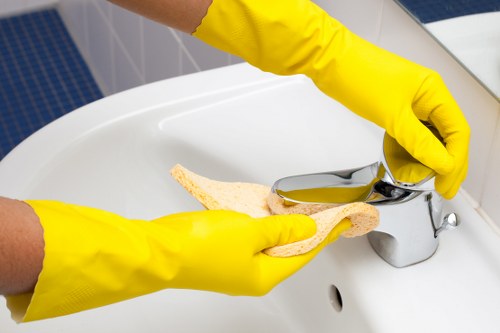 All employees are expected to contribute to a safe workplace by staying alert, following instructions, and speaking up when something appears unsafe. Safety is a shared responsibility that depends on active participation from every cleaner, supervisor, and manager. We aim to create a culture where hazards are controlled early, equipment is used correctly, and everyone understands that clean results must be achieved without compromising wellbeing.
 Conclusion This policy reflects our commitment to safe, responsible, and consistent cleaner services. By using proper training, sensible planning, reliable equipment, and careful working methods, we reduce risk and support high standards across all cleaning activities. Every member of the team is expected to uphold these principles at all times, ensuring that cleaning services Ruislip remain both effective and safe.